Industry
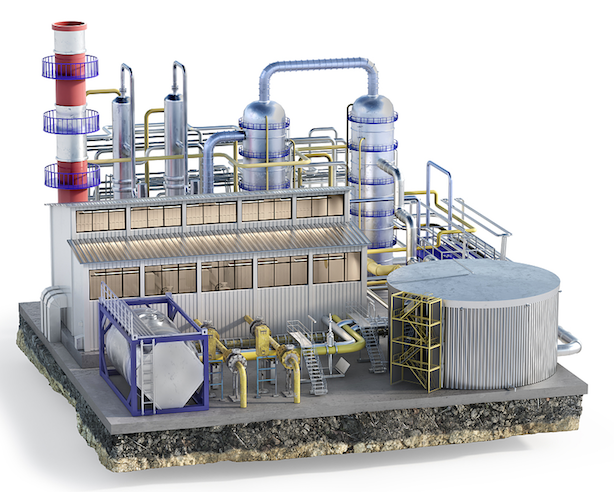
Industrial scale models help companies present product designs, verify structures, explain production processes, and support project briefings. They are valuable tools for R&D, exhibitions, client presentations, and early-stage design validation.
By turning technical drawings into physical models, companies can evaluate appearance, assembly logic, materials, spatial relationships, and potential production risks before moving into full-scale manufacturing.
- Appearance verification and design optimization: Physical models make product concepts easier to evaluate through form, proportion, surface texture, and visual detail.
- Assembly and structural verification: Models support assembly demonstrations, helping teams review component fit, structural logic, and operational feasibility before production.
- Mold development risk reduction: Early model validation helps identify design issues before mold development, reducing rework costs and mass-production risks.
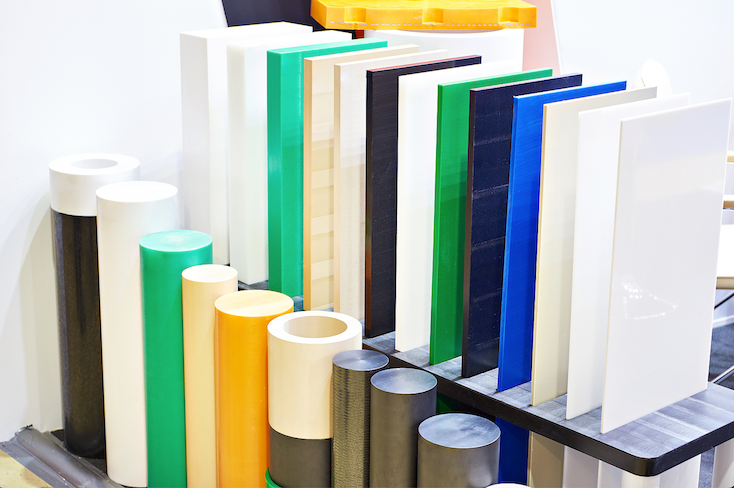
- Material options: Plastic models use ABS, acrylic, PVC, PC, and POM for flexible forming and cost performance. Metal models use copper, iron, aluminum, and alloys for higher strength, premium texture, and durability.



Industry Application
Industrial sand table models are used to present factory campuses, production lines, equipment systems, logistics routes, energy facilities, chemical plants, and industrial park planning.
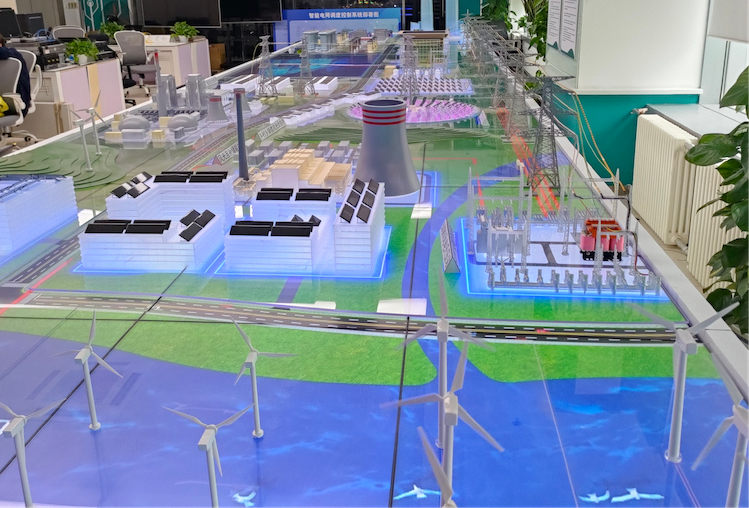
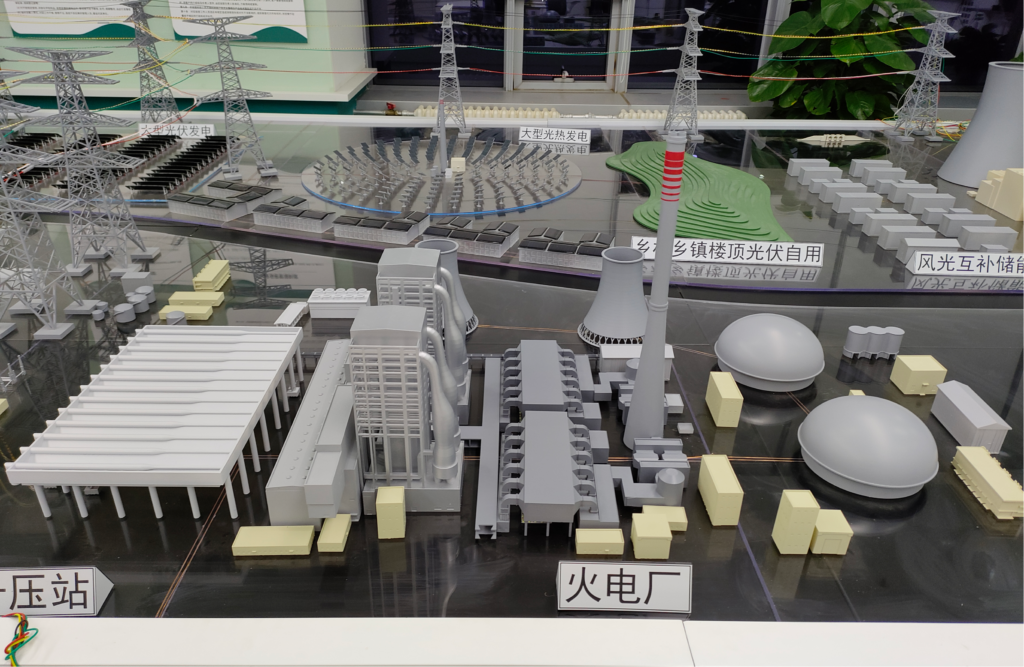
- Factory campus planning: Physical sand tables for equipment manufacturing, new materials, metallurgy, photovoltaic energy storage, wind power, and other industrial campuses. These models help explain the overall campus layout to government representatives, enterprise investors, and visiting partners.
- Corporate exhibition halls: Models for group-owned production bases, headquarters showrooms, customer visits, investor briefings, and industry exchange activities.
- New factory planning reviews: Models used during early-stage planning and review meetings for newly constructed factories, industrial parks, and production facilities.
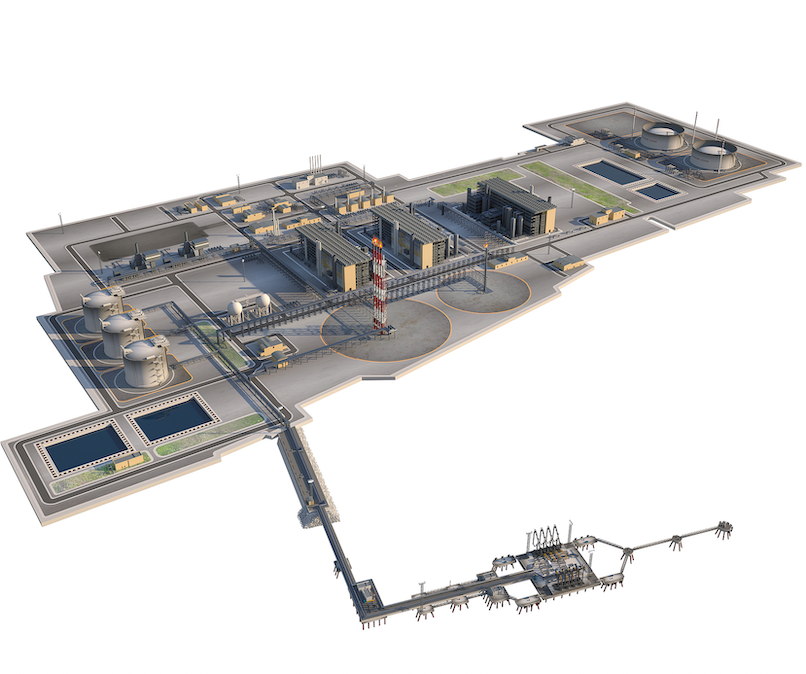
Display & Design of Industrial Equipment and Production Line Processes
- Functional zoning: Independent zones can show production workshops, raw material warehouses, finished product warehouses, office and living areas, hazardous chemical tank zones, sewage treatment stations, and green buffer belts.
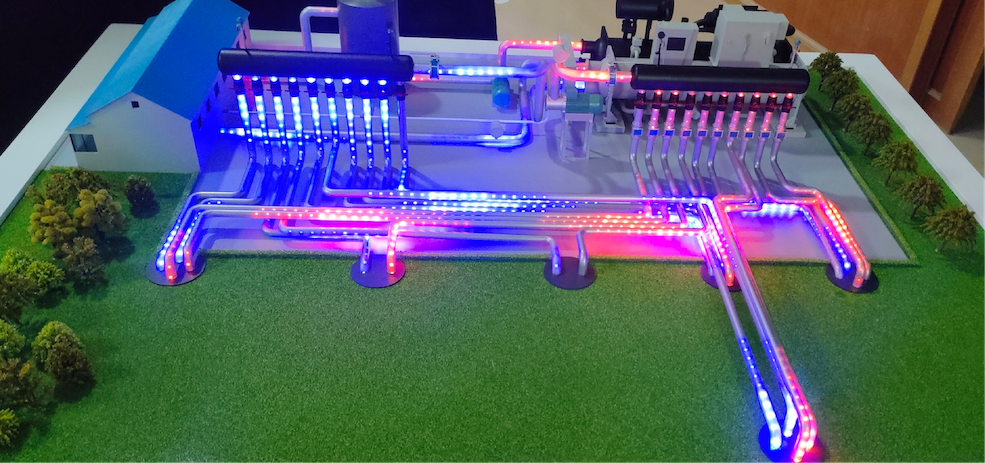
- Pipeline and utility systems: Colored micro-pipes can represent water supply, circulating cooling water, sewage discharge, gas, steam, power cable trays, and underground pipeline routes.
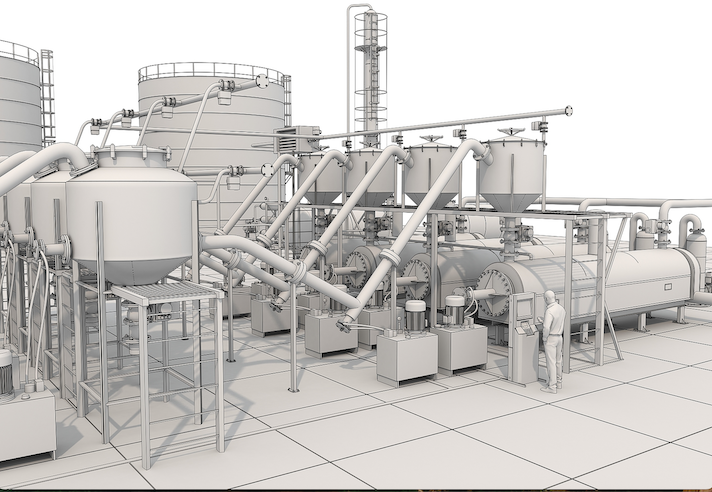
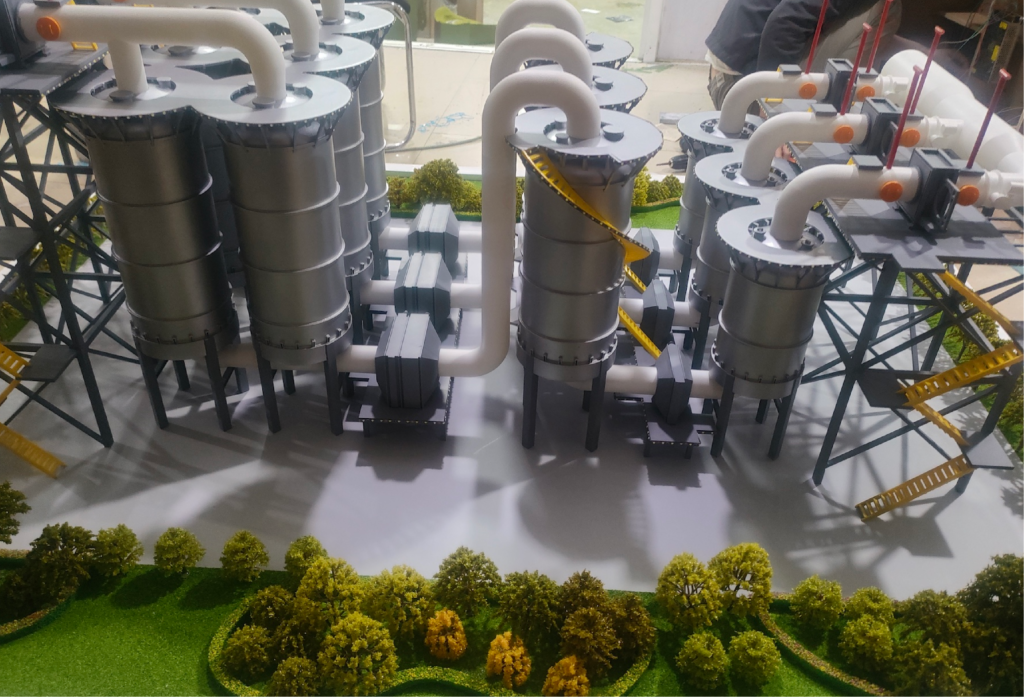
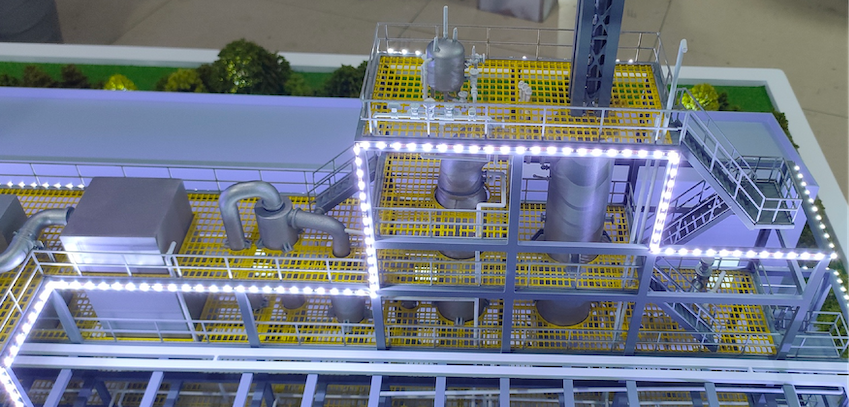
- Core equipment display: Key equipment such as fans, generator sets, reaction kettles, extrusion equipment, kilns, photovoltaic panels, and energy storage battery cabins can be reproduced with detailed 3D-printed, engraved, and etched components.
- Lighting and dynamic effects: Lighting can simulate workshop illumination, warning zones, power transmission routes, photovoltaic systems, road lighting, freight corridors, and fire protection points.
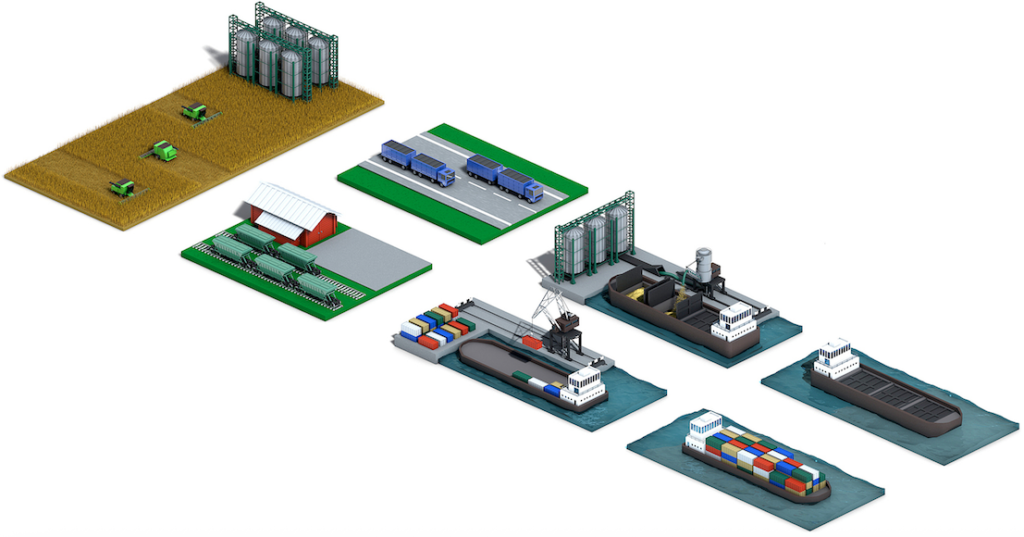
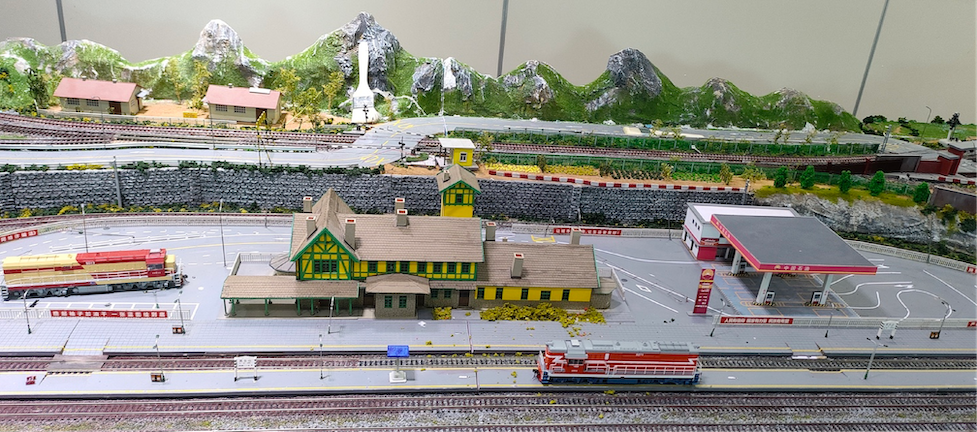
- Logistics and transportation flow: The model can show heavy-duty freight roads, internal campus transit routes, pedestrian walkways, loading docks, logistics yards, railway lines, and conveyor systems.
- Safety and risk-zone marking: Chemical and smelting plant models can highlight hazardous storage zones, explosion-proof isolation belts, emergency rescue passages, and waste liquid collection areas.